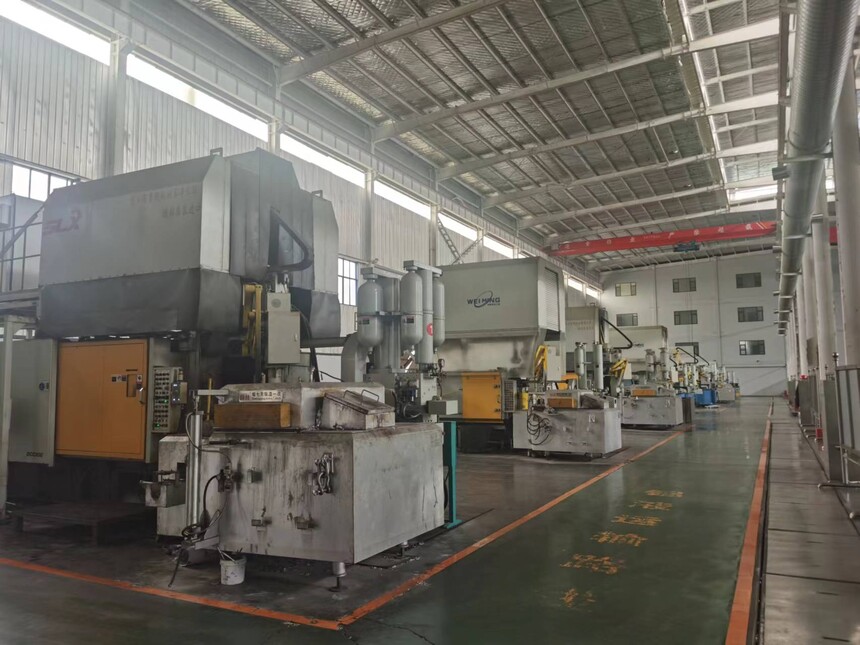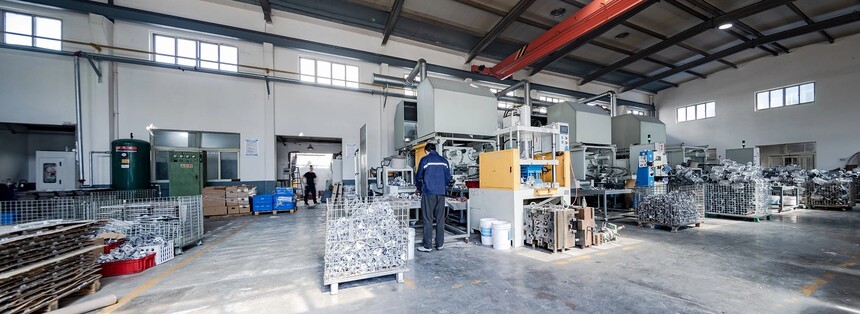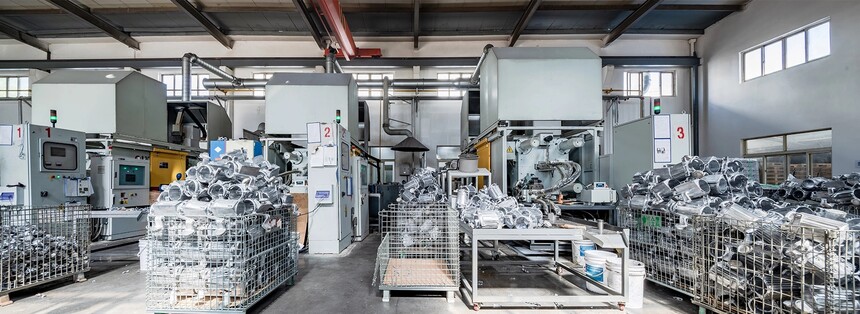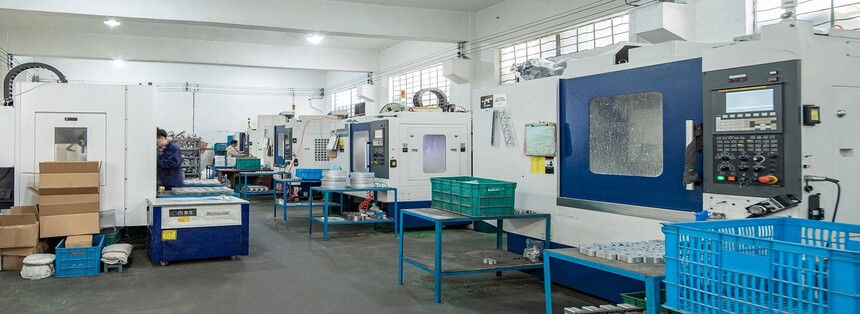
FACTORY SHOW
|
|


|
|


|
|
Common aluminum casting methods include die casting, low pressure casting, precision casting , sand casting and permanent mold manufacturing. Just tell us your needs, and we have a professional team to designate a complete one-stop solutions for you, including the best materials and processes, to best meet your requirements.YOUR DESIGN WE HELP TO ACHIEVE,AS YOUR SINCERE PARTNER! At OURUI, we want to exceed your expectations by delivering the most economical solution for your product manufacturing needs. We do this by constantly evolving what we do, and finding new ways to improve your current products, that will ultimately drive down costs and increase overall performance. Welcome your inquiry at any time. DIE CASTING PLANT
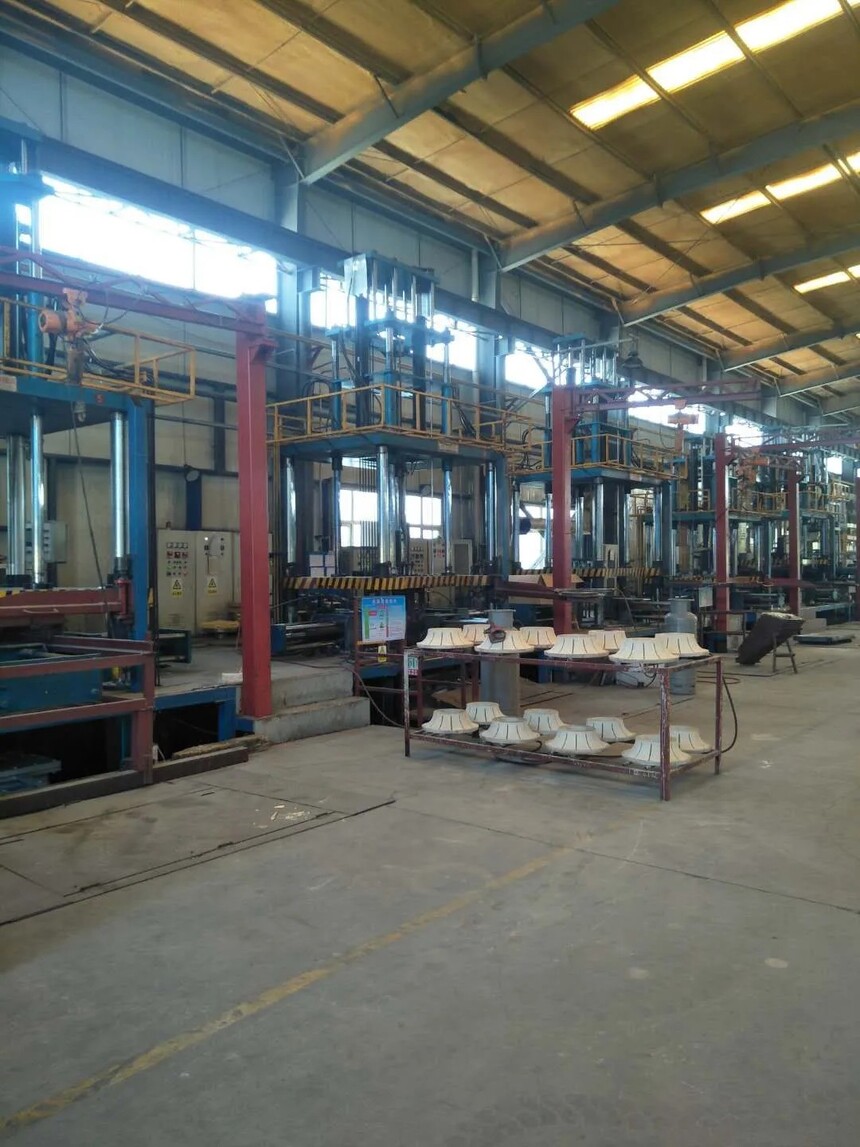
Die casting is a metal casting process, which is characterized by applying high pressure to the molten metal using the cavity of the mold. Molds are usually made of higher-strength alloys, and this process is somewhat similar to injection molding. Depending on the type of die casting, you need to use a cold chamber die casting machine or a hot chamber die casting machine. The cost of casting equipment and molds is high, so the die-casting process is generally only used for mass production of a large number of products. Manufacturing die-cast parts is relatively easy, which generally only requires four main steps, and the individual cost increment is very low. Die casting is particularly suitable for manufacturing a large number of small and medium-sized castings, so die casting is the most widely used one among various casting processes. Compared with other casting technologies, the die-casting surface is flatter and has a higher dimensional consistency. Providing Casting service according to your needs or your drawings,produce the product you need.
LOW PRESSURE CASTING PLANT
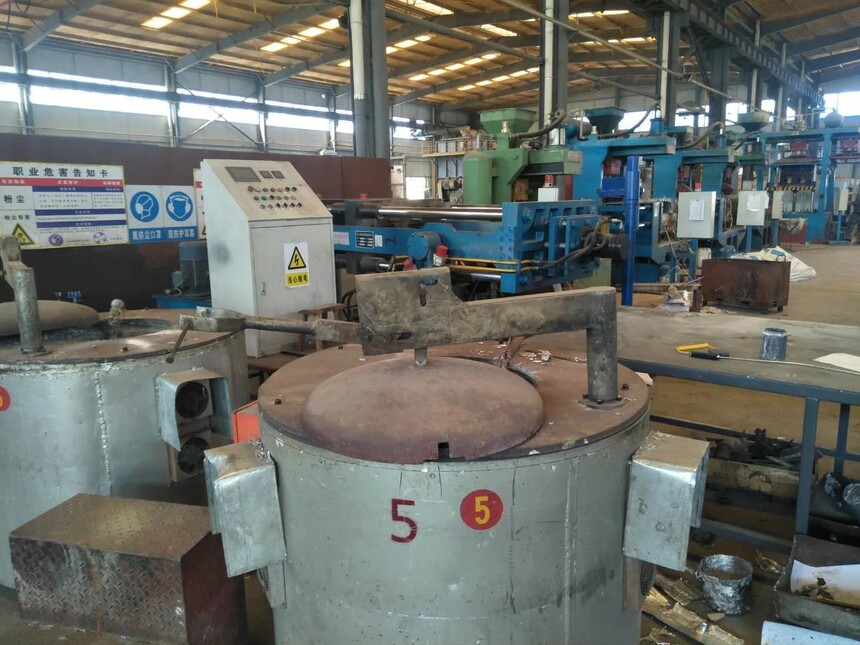
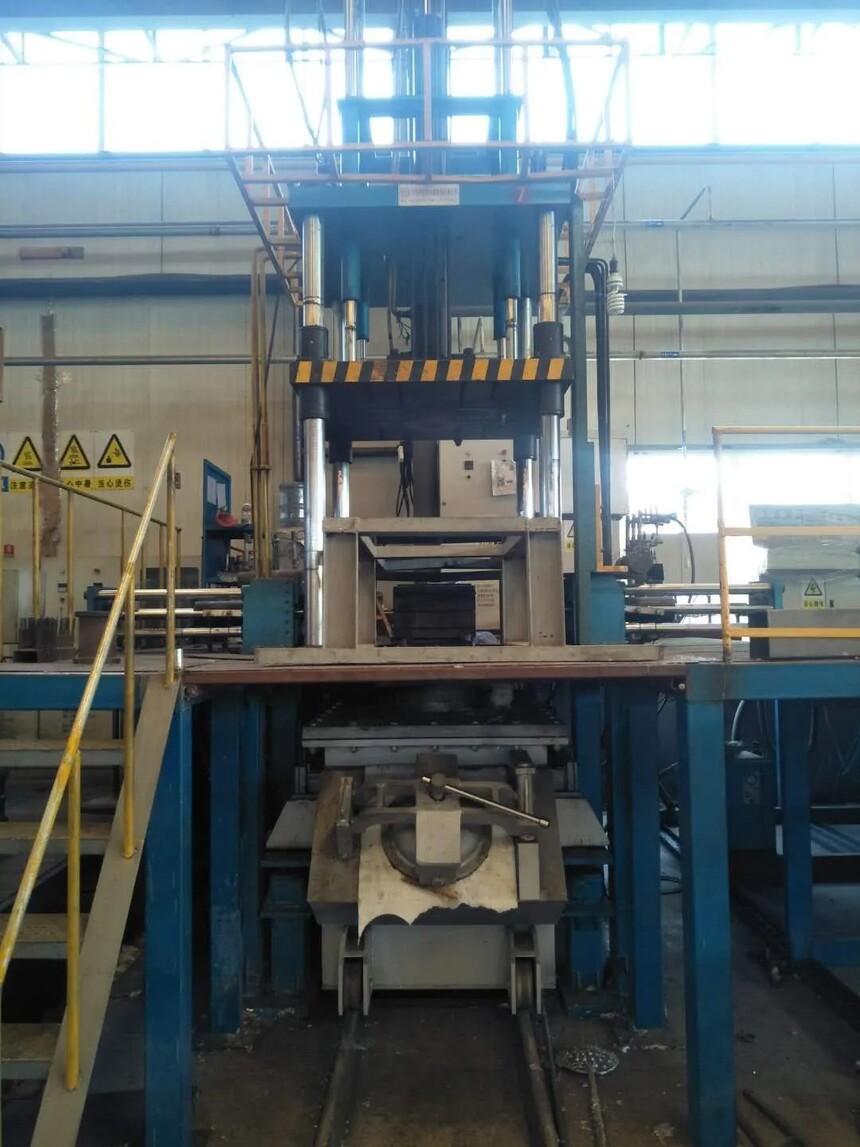
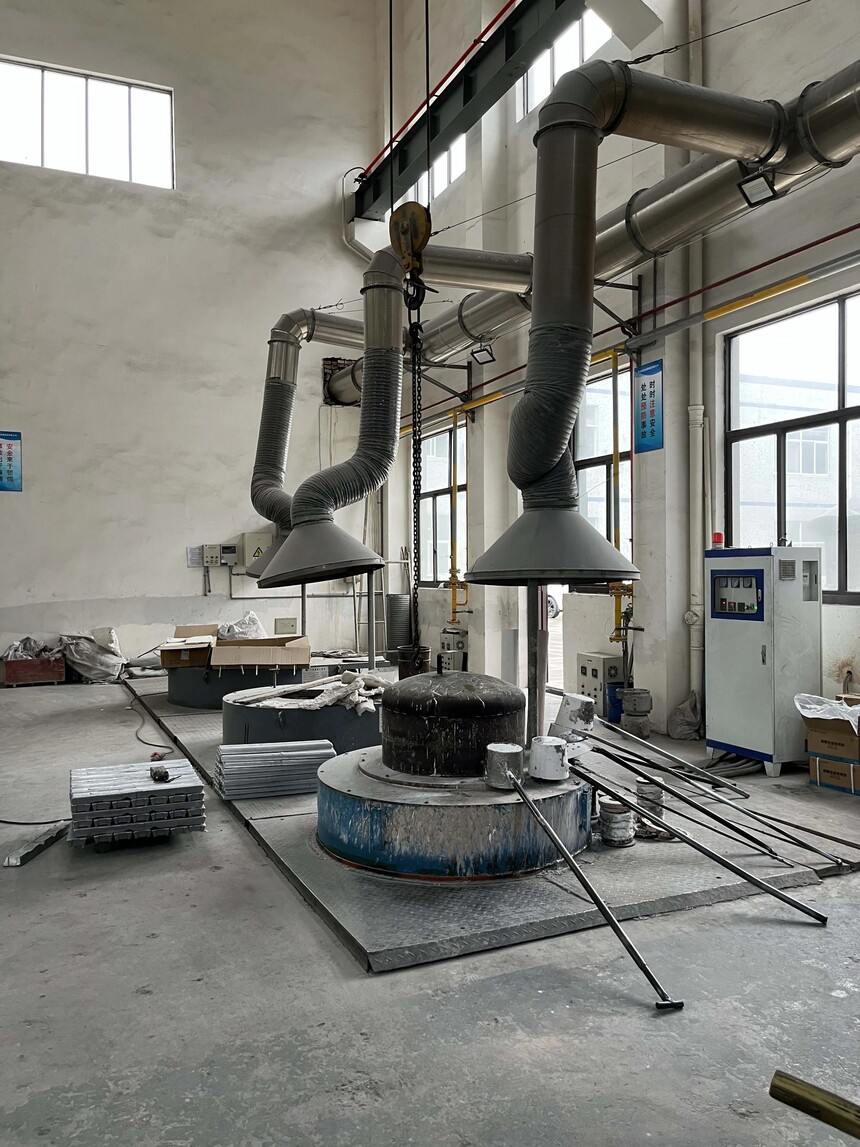
Low-pressure casting is a casting method in which liquid alloy is pressed into the mold cavity from bottom to top under pressure,and solidified under pressure to obtain castings. The principle of pressure casting is to pass dry compressed air or inert gas into a sealed crucible, with the help of the pressure acting on the molten metal surface, the molten metal flows along the riser pipe from bottom to top to fill the mold smoothly through the runner , The filling pressure is generally 20-60kPa. When the casting is completely solidified, the gas pressure on the liquid surface is released, so that the non-solidified molten metal in the riser pipe and the runner flows into the crucible by its own weight, and then the mold is opened and the casting is taken out. The production process of low pressure casting includes the following four basic procedures: 1) Metal smelting and preparation of molds or molds. 2) Preparations before pouring: including crucible sealing (fitting sealing cover), slag removal in riser pipe, measuring liquid level, sealing test, mold matching, tightening mold or mold, etc. 3) Pouring: including liquid lifting, filling,pressurization, solidification, pressure relief and cooling, etc. 4) Demoulding: including loose moulding and casting out. Low pressure casting can use sand, metal, graphite, etc. The filling process is different from gravity casting such as metal casting and sand casting, and it is also different from pressure casting with high pressure and high speed filling. It has the following advantages: 1) Filling with pure liquid metal improves the purity of castings. Since molten slag generally floats on the surface of the molten metal, low-pressure casting is filled with molten metal in the lower part of the crucible through the riser pipe, which completely avoids the possibility of molten slag entering the mold cavity. 2) The molten metal fills smoothly, reducing or avoiding the tumbling, impact, and splashing of the molten metal during filling, thereby reducing the formation of oxide slag. 3) The casting has good moldability. The molten metal is filled under pressure, which can improve the fluidity of the molten metal, which is beneficial to the formation of castings with clear contours and smooth surface, and is more beneficial for the molding of large thin-walled castings. 4) The casting crystallizes and solidifies under pressure, which can be fully fed and the casting structure is dense. 5) Improve the yield of molten metal. Under normal circumstances, there is no need for a riser, and the uncondensed metal in the riser pipe can be refluxed to the crucible for repeated use, which greatly improves the yield of molten metal. Generally up to 90%, 6) Convenient production and operation, good working conditions, high production efficiency, easy to realize mechanization and automation. We do OEM aluminum castings, we can product part strictly in according with your drawings. GRAVITY CASTING PLANT
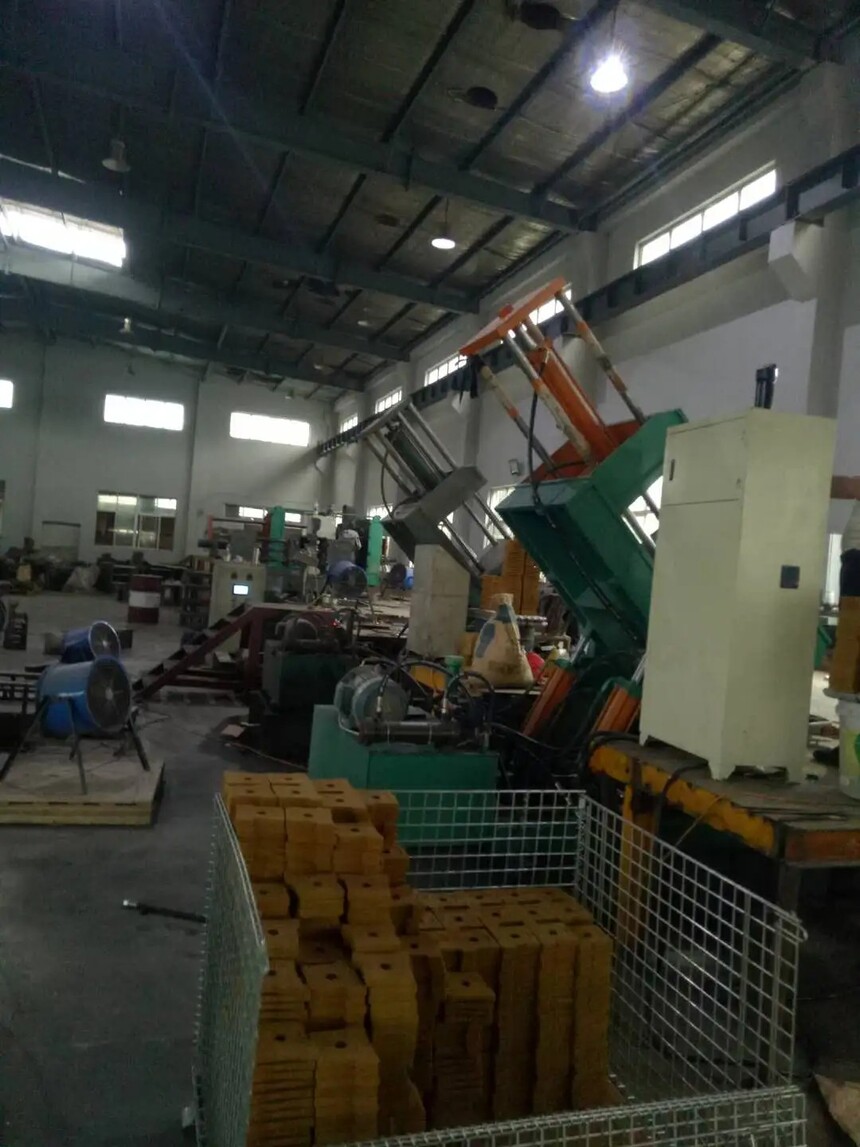
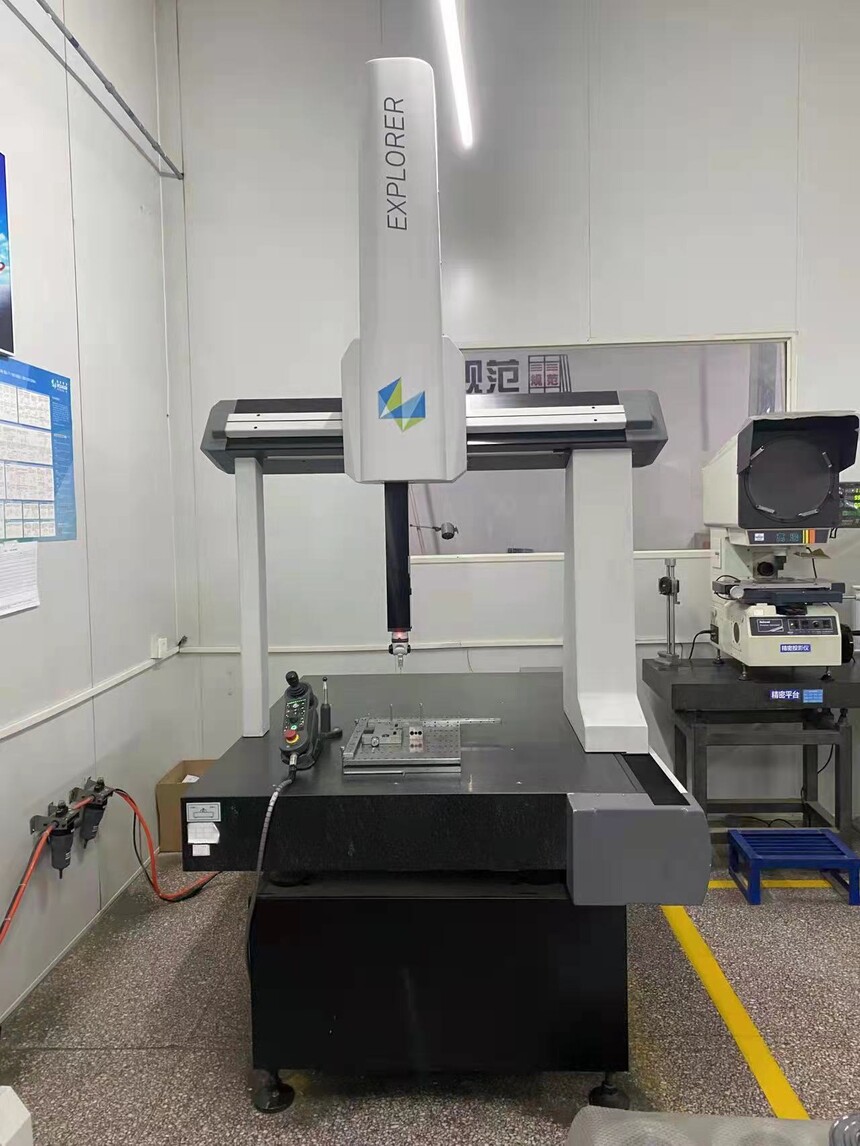
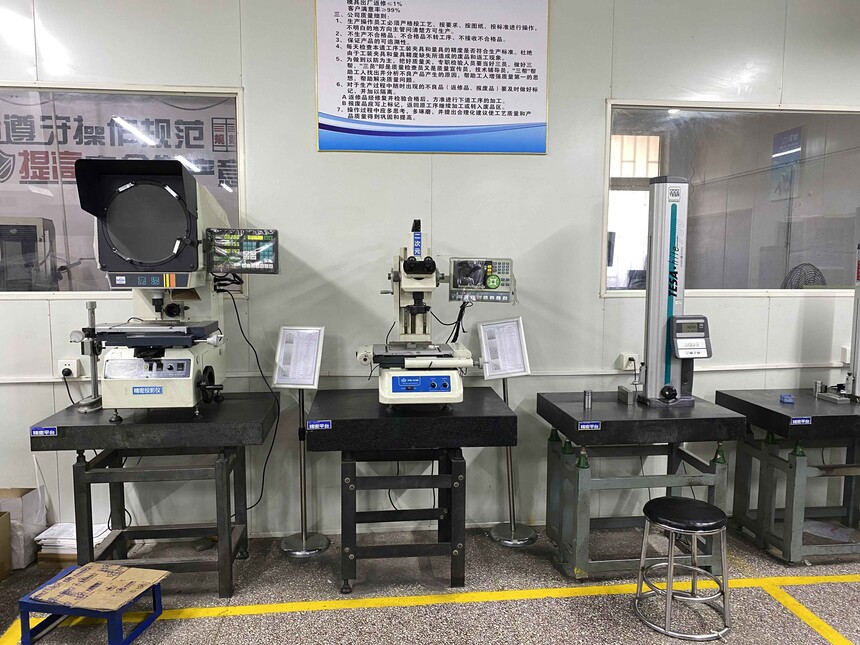
Gravity casting Gravity casting refers to the process of injecting molten metal into a mold under the action of the earth's gravity, also called casting. The generalized gravity casting includes sand casting, metal casting, investment casting, lost foam casting, mud casting,etc. The narrow gravity casting refers specifically to metal casting. Testing Equipment
|